

Transmission FAQ & Upgrade Guide: Manual vs Automatic Performance
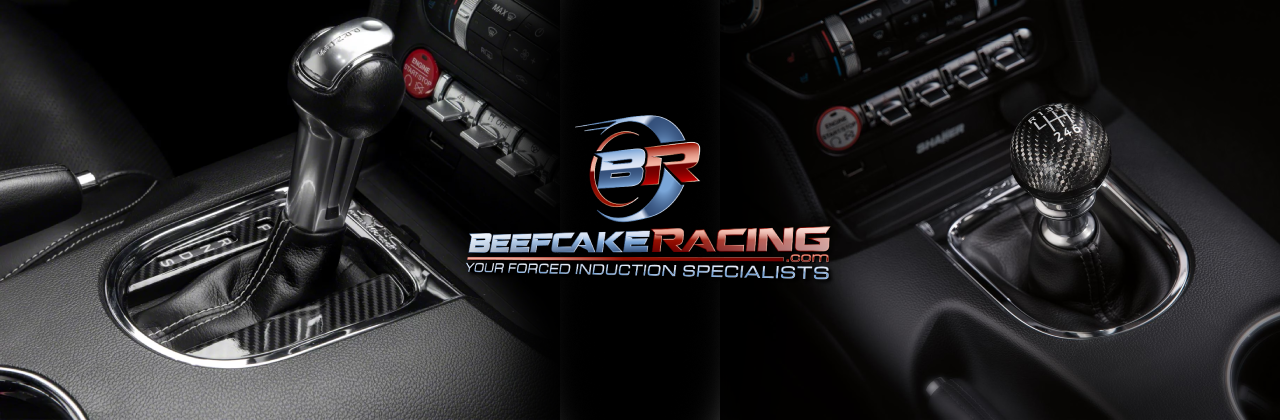
Why Upgrade Your Transmission?
Performance drivers know that the right transmission can make or break the driving experience. Whether you’re deciding between manual and automatic, considering a short-throw shifter, or curious about how gear ratios affect acceleration, the answers below will help you understand the finer points of transmission performance and setup.
- How do I decide between auto and manual for my build?
Start with your goals. If you’re chasing max straight-line speed and consistency, a modern auto is hard to beat, they shift faster than a human ever could and repeat it perfectly every time. If you want full control and that old-school connection, go manual. For street/strip or road course builds, think about how you drive 90% of the time. If most of your miles are in traffic, an auto might make life easier. But if you live for carving corners or rowing through the gears on a back road, a manual will put a bigger smile on your face. - What’s the real difference between manual and automatic transmissions?
Manuals put you in charge of every gear change, you decide when to upshift or downshift. They connect you directly to the drivetrain and reward skill. Autos handle all the shifting for you, which makes them easy to live with in traffic and blisteringly quick at the track. The latest performance autos and dual-clutch units are so refined that they often outrun a stick in timed runs, even with a skilled driver. - Why do autos usually win in straight-line acceleration?
Modern automatics can shift in milliseconds, perfectly timed by a computer. No missed shifts, no lag, just seamless power delivery. Many come with launch control to help you hook up off the line without roasting the tires. The result? Consistent, repeatable runs that are hard for a manual to match. - What advantages do dual-clutch transmissions (DCTs) offer, especially in high-power builds?
A DCT uses two clutches: one for odd gears, one for even, so the next gear is already waiting. The shift itself is nearly instant, with almost no drop in power. That’s a big deal for turbo or supercharged cars, because you keep boost between gears and stay in the sweet spot of the powerband. On track or at the strip, this means quicker acceleration, smoother transitions, and better lap consistency. It’s the best of both worlds, manual-like control with automatic-like precision. - Is it easier to upgrade a manual than an automatic?
Absolutely. With a manual, you can swap in a short-throw shifter, stronger clutch, different gear ratios, or lightweight flywheel without messing with complex electronics. An automatic upgrade often means tuning the transmission control module, upgrading the torque converter, and sometimes reinforcing internal parts, more work, more cost. - Why do enthusiasts like short-throw shifters?
Shorter throws mean faster gear changes and a more direct feel. You’re physically moving the lever less, which can shave time off shifts and make the car feel more precise. Many drivers also like the added mechanical feedback, you can feel the engagement better. - Can shifters be adjusted for better engagement?
Yes. Aftermarket shifters often have adjustable stops to limit travel and bushings to tighten things up. Dialing in these settings can prevent over-shifting and make gear changes feel crisper. For performance driving, even small improvements here can make a big difference. - Are synchronizers really necessary in a manual?
Synchros match gear speed to shaft speed so shifts are smooth and grind-free. Without them, you’d have to double-clutch like in an old race car. It’s a skill worth learning, but for most street and performance builds, synchros make driving easier and faster, and they help protect the gearbox from damage. - How have manuals evolved over the years?
Back in the day, 3- and 4-speed manuals were common. Now, most performance manuals are 6-speeds (or more), with closer ratios for better acceleration and overdrive gears for cruising. Advances in design and materials mean modern manuals can handle much higher torque without wearing out quickly. - Why are some older transmissions still used in restomods?
They’re compact, tough, and simple, no complex electronics to deal with. They also tend to drop right into older chassis without major fabrication, which saves time and money. Plus, the parts are widely available and proven to last. - How do automatics vs. manuals stack up for maintenance?
Both need attention. Manuals need fresh fluid, healthy bushings, and occasional linkage checks. Grinding, whining, or clunking are signs to act fast before you damage gears or bearings. Autos generate more heat, so regular fluid and filter changes are critical to avoid overheating and wear. Skip maintenance, and you’re asking for big repair bills. Hard driving? Shorten those service intervals. - Why do some performance manuals use specialized blocker rings?
Blocker rings made from carbon fiber or other advanced composites can handle more heat and abuse. They help the gears engage faster and smoother under hard driving, reducing the chance of missed shifts. - Are manuals still relevant in modern performance cars?
For many of us, yes. Even though autos can be faster in some situations, nothing beats the engagement of rowing your own gears. It’s part of the experience that keeps driving fun. - Can shifting setups be tailored to driving style?
Definitely. You can play with bushing materials, lever length, and throw distance to get the feel you want. Track drivers often go for ultra-short throws and firm engagement. Daily drivers might prefer smoother, quieter operation. - How do gear ratios affect performance?
Shorter (numerically higher) ratios make acceleration snappier but raise RPMs at cruising speeds. Taller (numerically lower) ratios lower cruising RPMs for better fuel economy but can dull low-end response. The right choice depends on your engine, tire size, and where you want the power to hit. - How do I pick the right manual transmission for my build?
Match the transmission to your power level, driving style, and goals. Street cars with moderate power can use lighter-duty gearboxes, while high-horsepower or track builds need heavy-duty units with stronger internals. Gear ratios, torque capacity, and availability of parts should all factor into your decision.
Need More Help?
Contact us or call us at 1-855-827-7223.
